Understanding Normal (Vaginal) Delivery
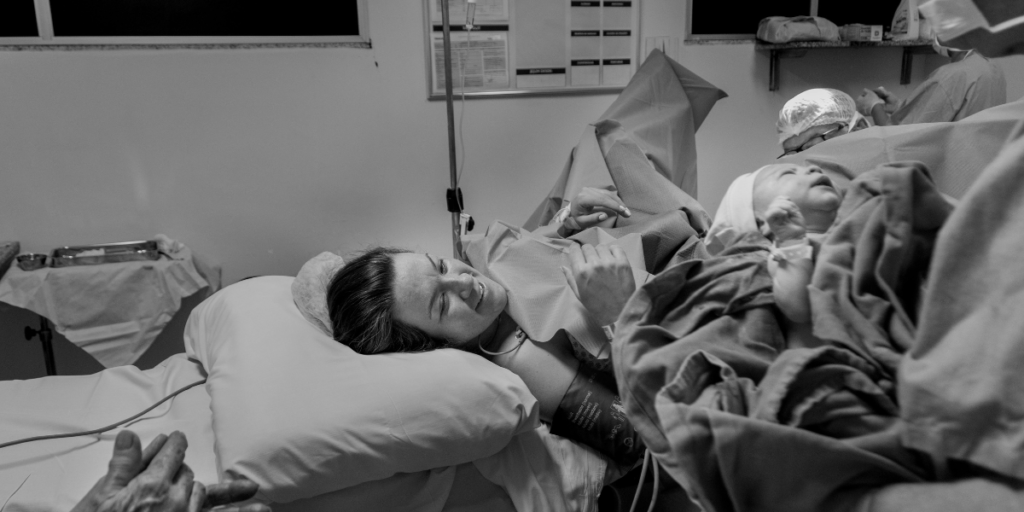
Picture your body doing what it’s designed for: strong contractions gently push your baby through the birth canal. For first-time moms, this natural process often takes 12–18 hours, spread across three stages—early labor (cervix softens and opens), active pushing, and delivering the placenta.
You stay awake, in control, and can often hold your baby skin-to-skin right away. Pain relief like epidural is available if needed, and many women walk within hours postpartum. It’s with quicker recovery for most—back to light chores in 1–2 weeks.
What a C-Section Involves
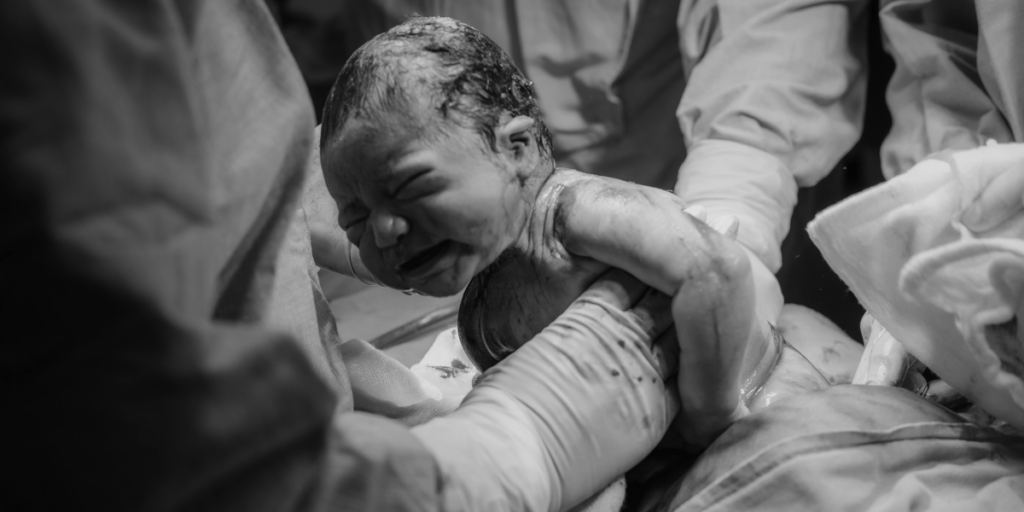
A C-section (or cesarean) is a gentle surgery: under spinal anesthesia, you’re numb from the chest down but fully awake to hear your baby’s first cry. Doctors make a small horizontal cut above your bikini line, lift the baby out in 5–10 minutes, then close up (30–60 minutes total).
Planned ones happen around 39 weeks for medical reasons; emergencies are faster. Recovery means 3–5 days in hospital, no lifting for 6 weeks, and watching your incision for infection. It’s major surgery, but modern techniques make it very safe, millions happen yearly worldwide.
Normal vs C-Section: Side-by-Side Comparison
Here’s a simple table to see the differences clearly:
| Feature | Normal Delivery | C-Section |
| Duration | 8–18 hours (first baby) | 30–60 minutes surgery |
| Pain During | Labor contractions (manageable with support) | None (anesthetized) |
| Postpartum Pain | Perineal soreness (1–2 weeks) | Incision pain (4–6 weeks) |
| Hospital Stay | 1–2 days | 3–5 days |
| Baby Benefits | Natural microbiome boost; easier breathing | May need brief oxygen |
| Mom Risks | Tearing, pelvic strain | Infection, blood clots |
| Breastfeeding Start | Immediate skin-to-skin | Possible 1–2 hour delay |
| Future Births | Usually normal again | VBAC possible for many |
Neither is “better” universally—safety for mom and baby guides the choice every time.
When Doctors Recommend Normal Delivery

Most healthy pregnancies (70–80%) aim for vaginal birth because it matches your body’s rhythm. Your obstetrician will encourage it if:
- Baby is head-down (cephalic) and average size (2.5–3.5 kg).
- Your pelvis is adequate (checked via exam or past births).
- Labor progresses: cervix dilates ~1 cm/hour after 4 cm; baby descends steadily.
- No health issues like severe anemia, heart problems, or infections (e.g., active herpes).
During early labor at Nysha, we suggest walking, warm showers, breathing exercises, and partner massage to help things along naturally. Safe medicines like oxytocin can assist without rushing to surgery.
When C-Section is the Safer Choice
Doctors turn to C-section when vaginal birth could harm you or baby—about 20–30% of cases in India. Common reasons include:
- Baby’s position: Breech (bottom-first), transverse (sideways), or too large (macrosomia >4 kg).
- Fetal distress: Heart rate drops during contractions, signaling oxygen issues.
- Placenta problems: Previa (blocks cervix) or abruption (separates early).
- Labor failure: No progress after 18–24 hours despite support (“failure to progress”).
- Multiples: Twins where first isn’t head-down, or triplets.
- Mom’s health: Preeclampsia (high BP), previous uterine rupture/scar, or HIV.
Emergencies prioritize speed—baby out in minutes saves lives. Elective C-sections are rare, only for repeat issues like placenta previa. We never do them “on demand” without medical need.
Step-by-Step: How Your Doctor Decides

It’s not a snap judgment—here’s our process at Nysha Maternity Home:
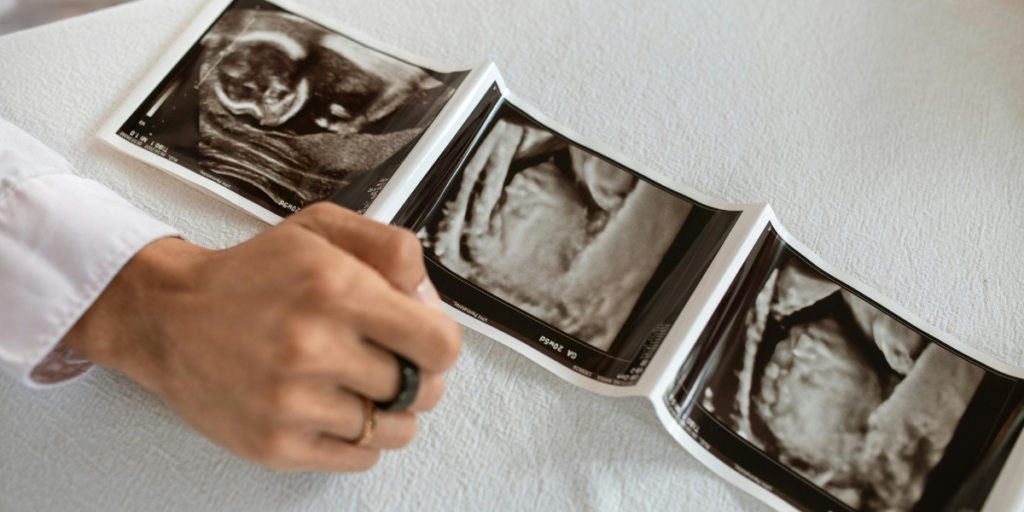
- Antenatal care (from 20 weeks): Ultrasounds check baby’s growth, position, fluid levels, placenta. Blood tests screen risks like diabetes.
- 36–37 weeks review: Confirm baby’s position; discuss birth plan.
- Labor monitoring: Fetal heart monitor, cervix checks every 4 hours, your vital signs.
- Trial window: If borderline, 4–6 hours with position changes/infusion before deciding.
- Team discussion: We explain pros/cons simply—“This protects baby from stress; recovery takes longer but you’ll heal well.” Consent is shared, never rushed.
For prior C-section moms, VBAC succeeds in 70% low-risk cases, but we assess scar thickness via ultrasound first.
Recovery Realities: Caring for Yourself Post-Birth
After Normal Delivery:
- Walk soon after; ice packs soothe soreness.
- Kegel exercises rebuild pelvic strength (start day 2).
- Expect lochia (bleeding) 4–6 weeks; rest, hydrate, breastfeed on demand.
After C-Section:
- Pain meds first 48 hours; log roll out of bed.
- No driving/stairs week 1; family helps with baby lifts.
- Watch for fever >100°F, pus, or calf swelling (clot sign)—call us immediately.
Both need iron-rich Indian foods (spinach, dates, jaggery), emotional support, and 40-day rest tradition. Nysha’s nurses teach wound care, breastfeeding, and newborn cues.
Busting Common Myths with Facts

- Myth: “C-section is easier—no pain!”
Fact: Surgery recovery means less mobility when baby needs you most.
- Myth: “Normal delivery ruins your figure forever.”
Fact: Both cause changes; exercise restores most women in 6 months.
- Myth: “All second babies must be C-section.”
Fact: VBAC works well with monitoring.
Why Choose Nysha Maternity Home for Your Delivery?

In Vasai-Virar’s busy world, we blend modern tech with compassionate care. Our 95%+ safe delivery rate reflects evidence-based choices: promoting vaginal when possible, swift C-sections when needed. No fear-mongering, just honest guidance tailored to you—working mom, joint family, or first-timer.
Your Next Step Toward a Confident Birth
Worried about labor? Book your appointment at Nysha Maternity Home today. Bring your reports; we’ll review risks, options, and prep you emotionally. Call/WhatsApp +91 9561096954 or visit www.nyshamaternityhome.com. Your safe, joyful delivery starts with questions answered. You’ve got this—we’re here every step.