
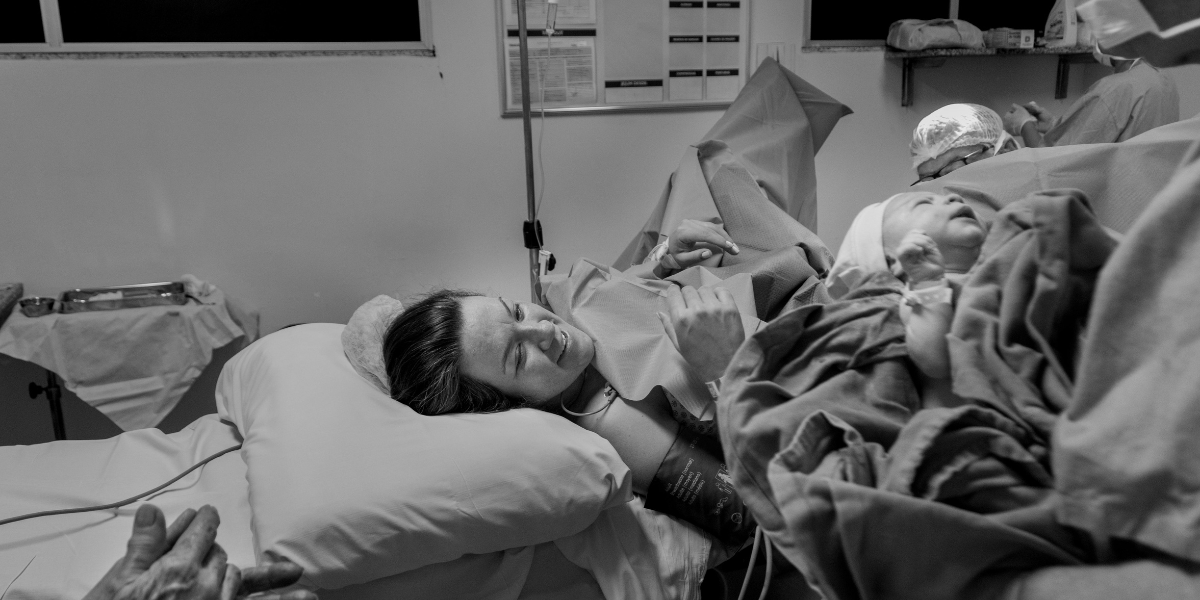
Expecting mother discussing birth options with doctor at Nysha Maternity Home
Normal Delivery or C-Section? How Doctors Choose What’s Best for You

Understanding Normal (Vaginal) Delivery Picture your body doing what it’s designed for: strong contractions gently push your baby through the birth canal. For first-time moms, this natural process often takes 12–18 hours, spread across three stages—early labor (cervix softens and opens), active pushing, and delivering the placenta. You stay awake, in control, and can often hold your baby skin-to-skin right away. Pain relief like epidural is available if needed, and many women walk within hours postpartum. It’s with quicker recovery for most—back to light chores in 1–2 weeks. What a C-Section Involves A C-section (or cesarean) is a gentle surgery: under spinal anesthesia, you’re numb from the chest down but fully awake to hear your baby’s first cry. Doctors make a small horizontal cut above your bikini line, lift the baby out in 5–10 minutes, then close up (30–60 minutes total). Planned ones happen around 39 weeks for medical reasons; emergencies are faster. Recovery means 3–5 days in hospital, no lifting for 6 weeks, and watching your incision for infection. It’s major surgery, but modern techniques make it very safe, millions happen yearly worldwide. Normal vs C-Section: Side-by-Side Comparison Here’s a simple table to see the differences clearly: Feature Normal Delivery C-Section Duration 8–18 hours (first baby) 30–60 minutes surgery Pain During Labor contractions (manageable with support) None (anesthetized) Postpartum Pain Perineal soreness (1–2 weeks) Incision pain (4–6 weeks) Hospital Stay 1–2 days 3–5 days Baby Benefits Natural microbiome boost; easier breathing May need brief oxygen Mom Risks Tearing, pelvic strain Infection, blood clots Breastfeeding Start Immediate skin-to-skin Possible 1–2 hour delay Future Births Usually normal again VBAC possible for many Neither is “better” universally—safety for mom and baby guides the choice every time. When Doctors Recommend Normal Delivery Most healthy pregnancies (70–80%) aim for vaginal birth because it matches your body’s rhythm. Your obstetrician will encourage it if: During early labor at Nysha, we suggest walking, warm showers, breathing exercises, and partner massage to help things along naturally. Safe medicines like oxytocin can assist without rushing to surgery. When C-Section is the Safer Choice Doctors turn to C-section when vaginal birth could harm you or baby—about 20–30% of cases in India. Common reasons include: Emergencies prioritize speed—baby out in minutes saves lives. Elective C-sections are rare, only for repeat issues like placenta previa. We never do them “on demand” without medical need. Step-by-Step: How Your Doctor Decides It’s not a snap judgment—here’s our process at Nysha Maternity Home: For prior C-section moms, VBAC succeeds in 70% low-risk cases, but we assess scar thickness via ultrasound first. Recovery Realities: Caring for Yourself Post-Birth After Normal Delivery: After C-Section: Both need iron-rich Indian foods (spinach, dates, jaggery), emotional support, and 40-day rest tradition. Nysha’s nurses teach wound care, breastfeeding, and newborn cues. Busting Common Myths with Facts Fact: Surgery recovery means less mobility when baby needs you most. Fact: Both cause changes; exercise restores most women in 6 months. Fact: VBAC works well with monitoring. Why Choose Nysha Maternity Home for Your Delivery? In Vasai-Virar’s busy world, we blend modern tech with compassionate care. Our 95%+ safe delivery rate reflects evidence-based choices: promoting vaginal when possible, swift C-sections when needed. No fear-mongering, just honest guidance tailored to you—working mom, joint family, or first-timer. Your Next Step Toward a Confident Birth Worried about labor? Book your appointment at Nysha Maternity Home today. Bring your reports; we’ll review risks, options, and prep you emotionally. Call/WhatsApp +91 9561096954 or visit www.nyshamaternityhome.com. Your safe, joyful delivery starts with questions answered. You’ve got this—we’re here every step.

first pregnancy journey
First Pregnancy? A Week-by-Week Guide for Moms in Vasai

Welcome to your first pregnancy journey Seeing that positive test can change everything in a moment. You might feel excited one minuteand anxious the next, wondering if what you’re feeling is “normal” and whether your baby isdoing fine.Many first-time mothers who come to maternity homes and clinics in areas like Vasai,Nalasopara, and Virar share the same doubts: “Is this symptom okay?”, “When will I feel mybaby move?”, “When should I rush to the hospital?”. A clear, week-by-week view of pregnancyhelps you understand what is happening in your body and when you need medical attention.This guide offers a simple roadmap from early weeks to your due date so you can feel informed,prepared, and supported. How to use this guide Pregnancy usually lasts about 40 weeks, but instead of going into heavy detail for every singleweek, this guide groups weeks into easy-to-follow phases. For each phase, you will see: ● How your baby is growing● What you may feel physically and emotionally● When to check in with your doctor● Gentle tips for daily life Every pregnancy is unique. You may not experience all the symptoms described here, and thatcan still be completely normal. Always trust your instincts and reach out to your doctor ifsomething does not feel right. Weeks 4–8: The big positive test Baby’s growth By weeks 4–8, the fertilized egg has implanted in your uterus and pregnancy hormones startrising. The basic structures of your baby are forming, and by around 6 weeks, early heart activitymay be visible on an ultrasound, depending on the timing and equipment. What you may feel During this phase, many women notice: ● Missed period● Nausea or vomiting (often called morning sickness, though it can occur any time of the day)● Breast tenderness, strong sensitivity to smells, and fatigue● Mood swings and heightened emotions Some women, however, feel very few symptoms, and that can still be normal. When to see your doctor It is usually recommended to schedule your first antenatal visit around 6–8 weeks. At this visit,the doctor may: ● Confirm the pregnancy● Order basic blood and urine tests● Check your general health and blood pressure● Plan your next scans and discuss supplements like folic acid and iron Gentle tips ● Begin taking folic acid and any other prescribed supplements regularly.● Avoid smoking, alcohol, and self-medication.● Eat light, home-cooked meals in small, frequent portions if nausea is troubling you. Weeks 9–12: Getting used to the idea Baby’s growth Between weeks 9 and 12, your baby’s facial features, tiny fingers, and toes start forming. Majororgans are developing and by the end of this phase, the first trimester is close to completion,which lowers the risk of certain early developmental problems. What you may feel You may still experience: ● Nausea, though it may slowly start easing in some women● Tiredness and sleepiness● Emotional ups and downs, ranging from excitement to sudden tears It is common to worry whether you will be a “good mother” or whether your baby is healthy.These thoughts are very normal. When to contact your doctor A routine antenatal visit in this period allows your doctor to: ● Review your initial test results● Check your weight and blood pressure● Address any spotting, severe pain, or concerning symptoms Heavy bleeding, intense pain, or fainting should be treated as urgent and you should contactyour doctor or nearest maternity facility immediately. Gentle tips ● Share your feelings with your partner or a trusted family member instead of keepingeverything inside.● Try light walking if your doctor approves, and avoid skipping meals to prevent weaknessand acidity. Weeks 13–20: Moving into the second trimester Baby’s growth From weeks 13–16, your baby’s organs continue to mature and bones become stronger,although movements may still be too gentle for you to feel. By around 18–22 weeks, manyfirst-time mothers start noticing soft flutters or “bubbles” in the lower belly—this is often thebaby’s first noticeable movement, known as quickening. What you may feel Many women call this the “easier” trimester because: ● Nausea may reduce and energy often improves● The baby bump starts becoming visible● There may be occasional backache, leg cramps, or mild swelling in the feet Some discomfort is expected as your body adjusts, but severe pain or swelling should beevaluated. Important scan and medical visits Between 18–22 weeks, an important ultrasound called the anomaly scan is often recommendedto check your baby’s organs, spine, heart, and overall growth. In India, checking your baby’s sex during pregnancy is illegal, and ethical maternity centersstrictly follow this law while focusing on your baby’s health and your safety. Regular antenatal visits in this phase help your doctor monitor: ● Blood pressure and weight● Blood sugars when indicated● Any developing risk factors Gentle tips ● Start simple prenatal exercises or yoga only after medical clearance.Wear comfortableclothing and supportive footwear to ease back and leg discomfort.● When relaxed and quiet, lie on your side and gently focus on your baby’smovements—they often feel stronger in calm moments. Weeks 21–28: Pregnancy feels “real” Baby’s growth Between weeks 21 and 28, your baby is gaining weight steadily, the skin is becoming lesstranslucent, and the nervous system and lungs are maturing. Many babies start responding toloud sounds and may show patterns of being more active at certain times. What you may feel This phase often brings: Occasional shortness of breath can occur because the growing uterus pushes up against thediaphragm. Medical focus Your doctor may: Gentle tips ● Reduce oily, spicy, and very late-night meals to manage acidity.● Drink plenty of fluids and eat fiber-rich foods to help with constipation.● Rest with your feet slightly elevated to improve circulation and ease mild swelling, unless your doctor advises otherwise. Weeks 29–36: Third trimester and final preparations Baby’s growth In the early third trimester (around 29–32 weeks), your baby continues to gain weight and bodyfat, and their movements are usually strong and frequent. By 33–36 weeks, most babies moveinto a head-down position in preparation for birth, although some may turn later. What you may feel Common experiences include: ● Heavier belly, more back pain,