

Welcome to your first pregnancy journey
Seeing that positive test can change everything in a moment. You might feel excited one minute
and anxious the next, wondering if what you’re feeling is “normal” and whether your baby is
doing fine.
Many first-time mothers who come to maternity homes and clinics in areas like Vasai,
Nalasopara, and Virar share the same doubts: “Is this symptom okay?”, “When will I feel my
baby move?”, “When should I rush to the hospital?”. A clear, week-by-week view of pregnancy
helps you understand what is happening in your body and when you need medical attention.
This guide offers a simple roadmap from early weeks to your due date so you can feel informed,
prepared, and supported.
How to use this guide
Pregnancy usually lasts about 40 weeks, but instead of going into heavy detail for every single
week, this guide groups weeks into easy-to-follow phases.
For each phase, you will see:
● How your baby is growing
● What you may feel physically and emotionally
● When to check in with your doctor
● Gentle tips for daily life
Every pregnancy is unique. You may not experience all the symptoms described here, and that
can still be completely normal. Always trust your instincts and reach out to your doctor if
something does not feel right.
Weeks 4–8: The big positive test
Baby’s growth
By weeks 4–8, the fertilized egg has implanted in your uterus and pregnancy hormones start
rising. The basic structures of your baby are forming, and by around 6 weeks, early heart activity
may be visible on an ultrasound, depending on the timing and equipment.
What you may feel
During this phase, many women notice:
● Missed period
● Nausea or vomiting (often called morning sickness, though it can occur any time of the day)
● Breast tenderness, strong sensitivity to smells, and fatigue
● Mood swings and heightened emotions
Some women, however, feel very few symptoms, and that can still be normal.
When to see your doctor
It is usually recommended to schedule your first antenatal visit around 6–8 weeks. At this visit,
the doctor may:
● Confirm the pregnancy
● Order basic blood and urine tests
● Check your general health and blood pressure
● Plan your next scans and discuss supplements like folic acid and iron
Gentle tips
● Begin taking folic acid and any other prescribed supplements regularly.
● Avoid smoking, alcohol, and self-medication.
● Eat light, home-cooked meals in small, frequent portions if nausea is troubling you.

Weeks 9–12: Getting used to the idea
Baby’s growth
Between weeks 9 and 12, your baby’s facial features, tiny fingers, and toes start forming. Major
organs are developing and by the end of this phase, the first trimester is close to completion,
which lowers the risk of certain early developmental problems.
What you may feel
You may still experience:
● Nausea, though it may slowly start easing in some women
● Tiredness and sleepiness
● Emotional ups and downs, ranging from excitement to sudden tears
It is common to worry whether you will be a “good mother” or whether your baby is healthy.
These thoughts are very normal.
When to contact your doctor
A routine antenatal visit in this period allows your doctor to:
● Review your initial test results
● Check your weight and blood pressure
● Address any spotting, severe pain, or concerning symptoms
Heavy bleeding, intense pain, or fainting should be treated as urgent and you should contact
your doctor or nearest maternity facility immediately.
Gentle tips
● Share your feelings with your partner or a trusted family member instead of keeping
everything inside.
● Try light walking if your doctor approves, and avoid skipping meals to prevent weakness
and acidity.
Weeks 13–20: Moving into the second trimester
Baby’s growth
From weeks 13–16, your baby’s organs continue to mature and bones become stronger,
although movements may still be too gentle for you to feel. By around 18–22 weeks, many
first-time mothers start noticing soft flutters or “bubbles” in the lower belly—this is often the
baby’s first noticeable movement, known as quickening.
What you may feel
Many women call this the “easier” trimester because:
● Nausea may reduce and energy often improves
● The baby bump starts becoming visible
● There may be occasional backache, leg cramps, or mild swelling in the feet
Some discomfort is expected as your body adjusts, but severe pain or swelling should be
evaluated.
Important scan and medical visits
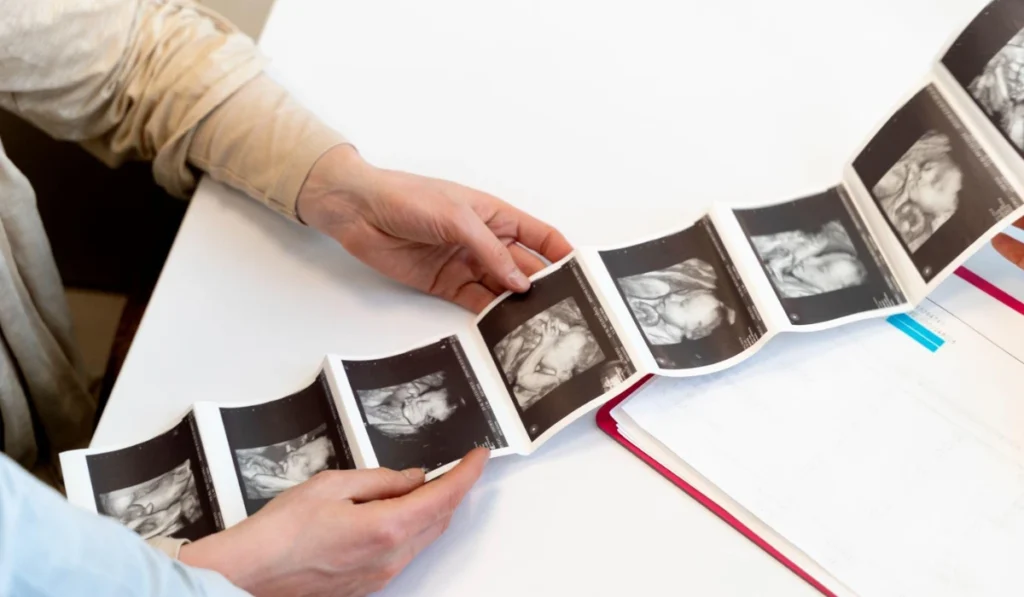
Between 18–22 weeks, an important ultrasound called the anomaly scan is often recommended
to check your baby’s organs, spine, heart, and overall growth.
In India, checking your baby’s sex during pregnancy is illegal, and ethical maternity centers
strictly follow this law while focusing on your baby’s health and your safety.
Regular antenatal visits in this phase help your doctor monitor:
● Blood pressure and weight
● Blood sugars when indicated
● Any developing risk factors
Gentle tips
● Start simple prenatal exercises or yoga only after medical clearance.Wear comfortable
clothing and supportive footwear to ease back and leg discomfort.
● When relaxed and quiet, lie on your side and gently focus on your baby’s
movements—they often feel stronger in calm moments.

Weeks 21–28: Pregnancy feels “real”
Baby’s growth
Between weeks 21 and 28, your baby is gaining weight steadily, the skin is becoming less
translucent, and the nervous system and lungs are maturing. Many babies start responding to
loud sounds and may show patterns of being more active at certain times.
What you may feel
This phase often brings:
- Stronger, more obvious movements and kicks
- More visible bump, comments from others noticing your pregnancy
- Heartburn, constipation, or mild swelling in the legs and feet
Occasional shortness of breath can occur because the growing uterus pushes up against the
diaphragm.
Medical focus
Your doctor may:
- Screen or rescreen for anemia and gestational diabetes
- Monitor blood pressure for signs of high BP or preeclampsia
- Adjust diet or supplements based on test results
Gentle tips
● Reduce oily, spicy, and very late-night meals to manage acidity.
● Drink plenty of fluids and eat fiber-rich foods to help with constipation.
● Rest with your feet slightly elevated to improve circulation and ease mild swelling, unless your doctor advises otherwise.
Weeks 29–36: Third trimester and final preparations
Baby’s growth
In the early third trimester (around 29–32 weeks), your baby continues to gain weight and body
fat, and their movements are usually strong and frequent. By 33–36 weeks, most babies move
into a head-down position in preparation for birth, although some may turn later.
What you may feel
Common experiences include:
● Heavier belly, more back pain, and pelvic pressure
● Difficulty finding a comfortable sleeping posture
● More frequent urination
● Irregular “practice” contractions (Braxton Hicks), which are usually mild and not rhythmic
Emotionally, many mothers feel a mixture of excitement and worry about labour and parenting.
Doctor’s visits and birth planning
Antenatal visits become more frequent. Your doctor will:
● Monitor your baby’s position and growth
● Check your blood pressure and any swelling
● Discuss warning signs and your birth plan, including what to do if labour starts at night or on a weekend
Gentle tips
● Try sleeping on your side, especially the left side, to support blood flow to the baby.
● Prepare a hospital bag with:
○ Medical reports and ID
○ Comfortable clothes for you
○ Baby’s first clothes and nappies
○ Basic toiletries
● Learn basics of breastfeeding and newborn care through classes, videos, or hospital
counselling so you feel more confident when baby arrives.

Weeks 37–40+: Waiting to meet your baby
Baby’s growth
From 37 weeks onwards, your baby is generally considered “early term”, and between 39–40
weeks, “full term” if there are no complications. At this stage, the focus is mostly on weight gain
and final lung maturity.
What you may feel
You may notice:
● Stronger, sometimes painful contractions
● Increased pelvic pressure
● Lower back pain and constant urge to use the bathroom
● Difficulty sleeping due to discomfort and anticipation
These are signs your body is preparing for labour, but they may start days or even weeks before
true labour begins.
When to rush to the hospital
Contact your doctor or go to the maternity facility immediately if you notice:
● Regular, painful contractions that are getting stronger and closer together
● Sudden gush or continuous leaking of fluid from the vagina
● Vaginal bleeding
● Marked decrease in your baby’s movements
It is wise to keep your hospital’s emergency number saved and your transport plan ready well
before the due date
Your emotional health matters too
Throughout pregnancy, emotional changes are as real as physical ones. Hormonal shifts, family
expectations, work pressure, and fear of childbirth can all affect your mood.

If you feel persistently low, extremely anxious, or find that you are losing interest in things you
normally enjoy, speak openly with your doctor. Early support can help prevent more serious
mental health issues, and there is no shame in asking for help.
How Nysha Maternity Home supports you, week by week
At Nysha Maternity Home, the goal is to stand beside you from the first positive test to the
moment you hold your baby — and beyond. Quality antenatal care means more than just
checking blood pressure and writing prescriptions; it means listening, explaining, and guiding
you and your family with patience and respect.
Through each trimester, Nysha Maternity Home can help you with:
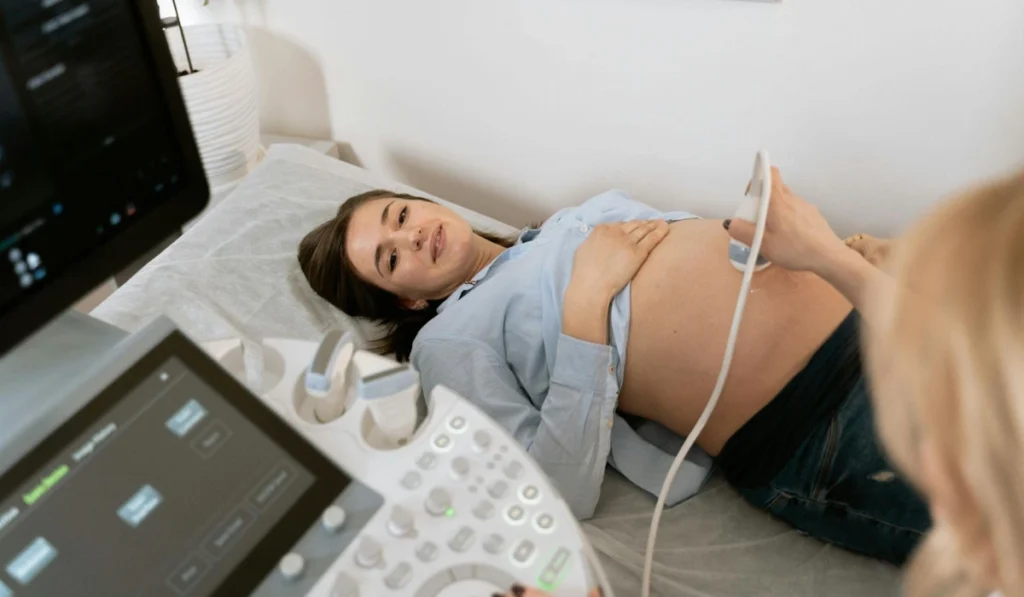
● Regular antenatal check-ups to monitor your and your baby’s health and detect
problems early
● Ultrasound scans and lab tests as needed, with clear, simple explanations of every
report
● Diet and lifestyle guidance tailored to Indian families, working women, and local realities
● Emotional support, including counselling for anxiety, fear of labour, or family-related
stress
● Careful planning for delivery, whether normal birth or C-section is medically safest for
you and your baby
During the last weeks, the team at Nysha focuses on preparing you for labour— helping you
recognise true labour pains, understand when to come to the hospital, and know what to expect
in the first hours with your newborn. This combination of medical expertise and compassionate
care helps you feel more confident and less alone as your due date approaches.
You are not alone on this journey – next steps with Nysha Maternity Home

Reading a week-by-week guide is a powerful first step. It helps you recognise which symptoms
are normal and which might need urgent attention, and it gives you a sense of control in a time
full of change.
If you are pregnant or planning to conceive and live in or around Vasai, you can:
● Book your first (or next) antenatal appointment at Nysha Maternity Home to review your
health, discuss your questions, and plan your scans.
● Call or message Nysha Maternity Home if you notice warning signs like heavy bleeding,
severe pain, or reduced baby movements, so you know whether to come in immediately.
● Visit Nysha Maternity Home to understand your birth options, tour the facility if possible,
and meet the team who will be with you in the delivery room.
Week by week, your body is performing a miracle. With the right information, a supportive
family, and a caring team at Nysha Maternity Home walking beside you, you can look forward to
a safer, calmer, and more joyful path to meeting your baby.